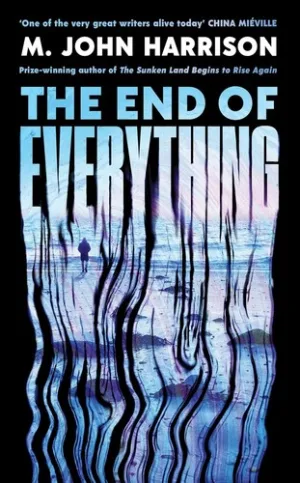
M. John Harrison won the Booker Prize on Monday 9 November with The End of Everything, and by the next
morning the cheapest first edition of its British hardback on offer in the UK had gone from £67.00 to £215.40. An
ordinary new copy went from £9.90 to £10.81 plus postage. Here’s what winning, and losing, did to the prices of all
six shortlisted novels by Monday 16 November.
The sum, a week on
In No. 1 I did the shortlist sum: a first
edition of every book on the list, bought on 3 November, for £601.01. That bought five of the six, since nobody was
listing Black Bag as a first, and the idea was that whichever won would pay for the rest. On 16 November
the same five cost £369.86, which is £231.15 less.
The winner did its part: its cheapest first went up by £139.17. The debut, which accounted for £413.90 of the
£601.01, did the opposite, and came down by £358.84. An economist would say the bet was sound and the premium, the
price of placing it, wasn’t. More than two-thirds of it was one hopeful price on one book.
The winner
Harrison is 81, the oldest writer to win the prize, two years older than Margaret Atwood was when she won in 2019.
Gaby Wood, chief executive of the Booker Prize Foundation, which runs the prize, called him the first winner to come
out of science fiction. He has spent most of his career there, which makes this the prize catching up
with him rather than the other way round.
The cheapest first edition of the British hardback, £67.00 on the morning of 9 November, was £205.07 by 16
November, more than three times as much. Over the same days the cheapest ordinary new copy went from £9.90 to £8.50
plus postage.
That’s what No. 1 predicted, and I’m as surprised as anyone to have been right about something. Serpent’s Tail, the
publisher, can print as many more copies as people want. Nobody can print more of the first printing, the copies
from the first run off the press, which are what a collector means by a first edition. So when demand jumped
overnight, the ordinary copy barely moved and the first edition took the whole jolt. It’s the copy made before
anyone knew the book would win, and that innocence is now the dearest thing about it.
The End of Everything
M. John Harrison
UK
from£8.50
US
from$11.26
Europe
from€10.18
Also Canada from C$16.04 · Australia from A$16.58 · India from ₹1,059.70 · Singapore from S$14.50
119 copies from
48 sellers
Signed copies from £94.88 ·First editions from £115.69
On 9 November Near Fine found 77 listings of the British hardback in the UK. On 13 November it found 35. The other
five books’ hardbacks had between 78 and 92 each on both days, so our search hadn’t gone quiet.
What went was mostly ordinary copies: eight first editions were on offer on 9 November, and eight on 13 November.
Whether they’re the same eight with new prices or a different eight, the snapshots can’t say. Plain used copies got
dearer too: by 13 November the cheapest had gone from £13.52 to £25.23. Nobody had to raise a price for that to
happen. Buyers take the cheapest copies first, and whatever is left was always dearer.
Then the ordinary copies came back. By 16 November Near Fine found 67 listings, the cheapest used copy was £14.90,
and there were still eight first editions. For a novel called The End of Everything, the listings got more
than halfway there before thinking better of it.
What can be made more of
Signed copies jumped higher than first editions and came back faster. The cheapest went from £38.65 on 9 November to £225.80 the next
morning, with nine on offer where there had been 17. By 16 November there were 15, and the cheapest was £94.88.
This is the first-edition story with a tap fitted. Nobody can make another first printing, but a living author can
sign more books, and a price like £225.80 gives anyone holding a signed copy a reason to list it. The £94.88 is a
single copy on eBay, so I wouldn’t build a theory on it, though I seem to have built a small one.
The American edition, published by Riverhead, shows the same pull from another side. Before the win nobody in the
UK was offering it as a first edition. On 10 November one copy was on offer as a first, at £162.98. By 16
November there were three, from £115.69, so the cheapest first of the winner in the UK was now an American one. One
explanation is that sellers who had listed American copies without saying which printing they were went and
looked. When one thing gets dear, people look for the nearest thing that isn’t. I’d still rather have the British
one, and so, judging by the prices, would everyone else.
The other five
No. 1 ended by saying the other five would be novels again, and for anyone who simply wants to read them, the
bargains. As novels they cost what they did: on 16 November a new copy of each was within 20p of its price on the
morning of the prize. As first editions, three of the four that had any on offer got cheaper.
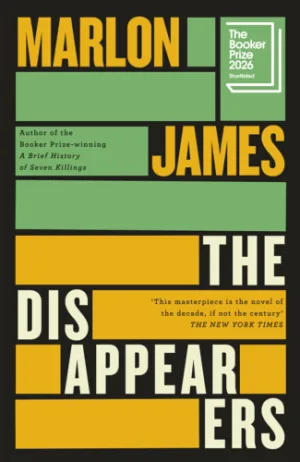
Marlon James and Douglas Stuart, both past winners, were the bookmakers’ favourites. The cheapest first of James’s
The Disappearers was already slipping before the prize, from £62.55 on 3 November to £38.90 on 9 November,
and was £26.50 by 16 November, with 19 on offer where there had been 15. Once a book is out of the running, nobody
has a reason to hold a copy back for the result.
The Disappearers
Marlon James
UK
from£6.78
US
from$8.98
Europe
from€8.12
Also Canada from C$12.79 · Australia from A$13.22 · India from ₹845.00 · Singapore from S$11.56
247 copies from
51 sellers
Signed copies from £15.95 ·First editions from £26.50
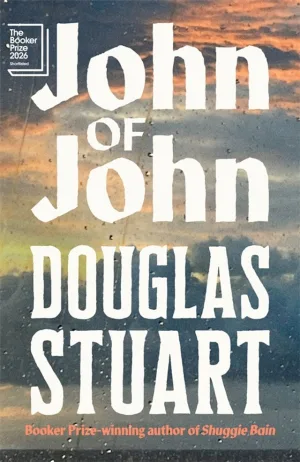
Stuart’s John of John, the sober one in No. 1, stayed sober: £19.99 on 9 November, £25.23 on 16
November, the one first edition on the list that cost a little more after losing than before. Between them, the two
favourites’ firsts now cost £51.73, which is what being the favourite comes to the week after.
John of John
Douglas Stuart
UK
from£9.98
US
from$13.50
Europe
from€17.13
Also Canada from C$22.76 · Australia from A$27.91 · India from ₹1,784.00 · Singapore from S$24.40
243 copies from
47 sellers
Signed copies from £26.96 ·First editions from £25.23
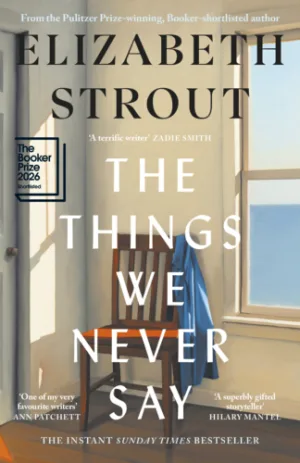
Elizabeth Strout’s The Things We Never Say had the oddest week. Its cheapest first was £38.66 on 3 November,
£158.05 on the morning of the prize and £58.00 by 16 November. With only five on offer, one copy coming or going
moves the price by itself, and this has mostly been a week of comings and goings.
The Things We Never Say
Elizabeth Strout
UK
from£13.64
US
from$10.50
Europe
from€15.99
Also Canada from C$25.69 · Australia from A$22.88 · India from ₹1,700.87 · Singapore from S$23.27
327 copies from
68 sellers
Signed copies from £58.00 ·First editions from £58.00
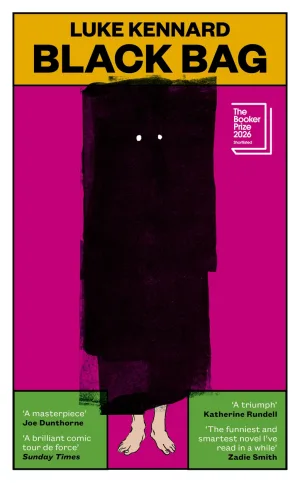
Luke Kennard’s Black Bag still has almost nobody offering a first edition. Before the prize, one copy was
offered as a first for a single day, at £154.29 on 5 November. The morning after it lost, a first was on offer again,
also for a single day, at £6.23. Two listings aren’t a market, but as a measure of what losing does to a seller’s hopes,
I haven’t seen a cleaner one.
Black Bag
Luke Kennard
UK
from£11.97
US
from$20.28
Europe
from€18.35
Also Canada from C$29.23 · Australia from A$31.75 · India from ₹1,931.15 · Singapore from S$26.42
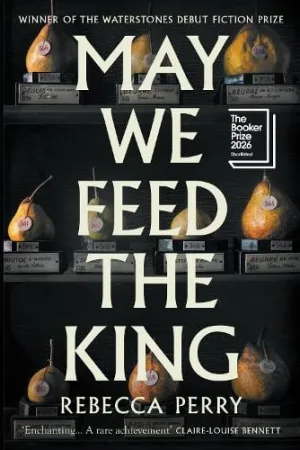
Rebecca Perry’s May We Feed the King, the debut I backed, didn’t win. In No. 1 its cheapest first edition
was on offer at £413.90, a price I called a dare, and it was still £413.90 on the morning of the prize. The next
morning that price had gone from the listings, and the cheapest first on offer was dearer still: £506.88, one copy
on eBay, at a price that showed no sign of having heard the news.
On 11 November a first turned up new on eBay at £54.90, and on 16 November the cheapest was £55.06, less than a
seventh of the dare. The cheapest used first was £295.00 from 12 November and £253.90 from 15 November, quite
possibly the dare’s copy at new prices; whether the £413.90 copy sold or was withdrawn, the snapshots can’t say. The
dare was a bet that a win would bring more collectors than a debut’s first printing could serve. Without the win,
the bet had nothing to collect on.
In No. 1 I promised its seller an offer in January. I’m revising it.
May We Feed the King
Rebecca Perry
UK
from£10.36
US
from$13.88
Europe
from€12.00
Also Canada from C$19.77 · Australia from A$20.43 · India from ₹1,306.00 · Singapore from S$17.87
173 copies from
59 sellers
Signed copies from £34.83 ·First editions from £55.06
Everything here is an asking price: what a seller wants, which is a different thing from what a buyer paid. When the
winner’s £67.00 first edition left the listings on 10 November, it may have sold, or its seller may have taken it
down and put it back up dearer, and from the outside those look exactly alike. The same goes for the shortlist sum:
£369.86 is what the five would cost to buy, not what anyone would pay for them.
Economics makes one more prediction. A high price is an invitation: anyone with a first of The End of
Everything on a shelf now has a reason to take it down and look at it. If enough of them list theirs, the price
keeps drifting down from £205.07, as the signed copies’ already has. If they keep them, it holds. I’ll look again in
January, when I make that offer.
On the morning of the prize, the winner’s first edition was only the third dearest of the five on offer, behind the
debut’s and Strout’s, and the bookmakers fancied James and Stuart. Neither set of prices saw it coming. By the next
morning the dealers’ prices had caught up, on the copies nobody can make more of and hardly at all on the rest. A
price knows very little about the future and a great deal about what’s scarce.
How Near Fine priced them
Near Fine priced the six books on the morning of 9 November, hours before the winner was named that evening, and
again on the mornings of 10 to 16 November, the same way as for No. 1: each book’s British and American editions,
leaving out local editions, ebooks, audiobooks and any listing it judged to be a different book. The prices in the
text are the UK’s cheapest, with shipping where the shop lists it and “plus postage” where it doesn’t. First
editions and signed copies are the British hardback’s unless the text says the American, and listings are those
Near Fine found for the British hardback in the UK that day. The 3 November prices are No. 1’s. All of them are
asking prices: what sellers want, not what buyers paid.
The cards work as they did in No. 1, with both editions of each book together, and show each book’s latest prices, so
they will have moved on from the ones in the text. ‘Find your copy’ shows the prices for your own country, in your
currency and with shipping to you.