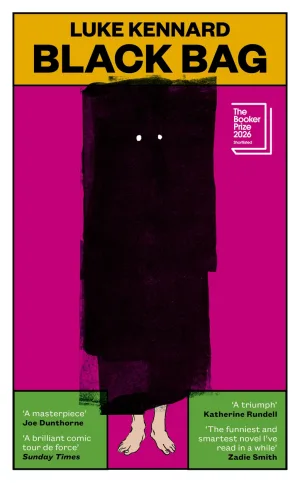
Black Bag
- UK
- from £11.97
- US
- from $18.98
- Europe
- from €17.13
- Also Canada from C$26.77 · Australia from A$31.30 · India from ₹1,819.12 · Singapore from S$24.51
- 138 copies from 29 sellers
- Signed copies from £18.98
Prices on
Find your copy →Ledger · No. 1 ·
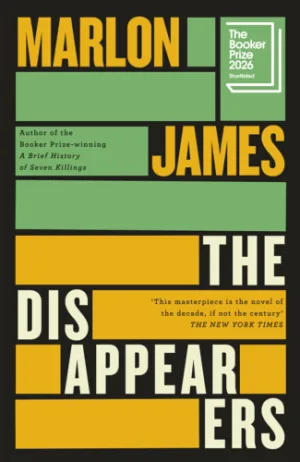
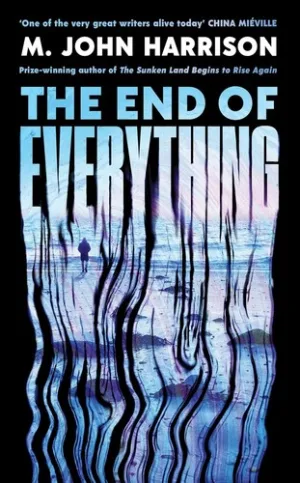
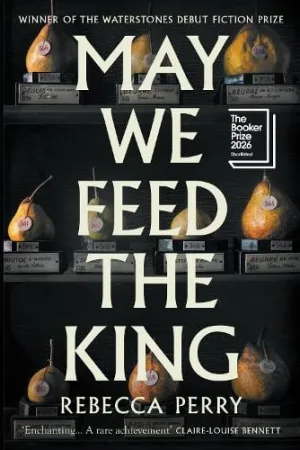
On Monday 9 November one of these six novels wins the Booker Prize, £50,000 and, before long, a sticker on every copy in the shops. Here’s what each of them costs while all six are still equal, and what my colleagues in the trade are asking for the copies collectors want.
Every autumn I promise myself I won’t do the shortlist sum, and every autumn I do it, usually on the back of an envelope that turns out to be the gas bill. It goes like this. Six novels, one winner. Buy a first edition of all six now, and by Christmas one of them should be worth a good deal more than you paid. The other five will be worth about what you paid, and that’s the cost of the bet. It may be the only form of gambling in which losing leaves you with five good novels.
An economist would call this an option: a small premium on six books for the right to own the one that turns out to matter. Like most clever trades, it works best when nobody else has thought of it. Somebody has.
On 3 November, the cheapest first edition of each book on offer in the UK came to £601.01 in all, and that buys only five of them, since nobody was yet listing Black Bag as a first. One book accounts for £413.90 of the total. I’ll come to it.
The judges, chaired by the classicist Mary Beard, chose the six from a longlist of 13 and announced them at the Southbank Centre in London on 22 September. Two of the six, Marlon James and Douglas Stuart, have won before. Either would become the fifth writer to win twice, after J.M. Coetzee, Peter Carey, Hilary Mantel and Margaret Atwood, a club with a strict door policy. The winner is named on 9 November at Old Billingsgate, the City of London’s former fish market on the Thames, where the catch is now literary.
Black Bag is Luke Kennard’s third novel, a comic campus story about an out-of-work actor paid to sit through university lectures inside a black leather bag, for a psychology experiment. It sounds like a book a judge either loves or throws across the room, and a shortlist is where those two judges have to agree. Kennard is also a poet, and won a Forward Prize in 2021.
Signed copies start at £18.98, about £7 more than the cheapest copy of all. A signature is worth what’s scarce about it, and so far Kennard’s isn’t. Fittingly for a novel about a man nobody can see, collectors haven’t noticed it yet: nobody in the UK is listing a copy as a first edition, so for now every copy of Black Bag is simply a copy.
Prices on
Find your copy →The Disappearers by Marlon James follows a group of gay men in Kingston, Jamaica, after a mob attacks a rehearsal of their play in 1988. James won in 2015 with A Brief History of Seven Killings. At 640 pages this is the longest book on the list and also the cheapest: £6.64, or about a penny a page. Nothing else on the shortlist comes close on that measure, which is a pity, because it’s the only one anyone can check.
First editions start at £62.55. A past winner is a known quantity, and my colleagues price known quantities with the calm of people who have been paid before.
Prices on
Find your copy →The End of Everything is M. John Harrison’s near-future novel, set in a town on the Kent coast. Harrison is 81 and on the shortlist for the first time. If he wins he becomes the prize’s oldest winner, taking the record from Margaret Atwood, who was 79 when she won in 2019. Few careers offer a first shortlisting at 81; literature, to its credit, is one of them. I find that more cheering than I can easily explain.
Harrison has had readers for more than 50 years, and readers of that vintage tend to keep their first editions rather than sell them. That’s one explanation for the £65.90 asked for the cheapest first on offer: not many come loose, and the ones that do know their worth.
Prices on
Find your copy →May We Feed the King is the interesting one. Rebecca Perry’s first novel moves between the present day and a medieval court where a king is dying. It won this year’s Waterstones Debut Fiction Prize, and a Booker win would make Perry the seventh writer to take the prize with a first novel, and the first since Douglas Stuart in 2020.
The cheapest copy costs £10.27. The cheapest first edition costs £413.90, about 40 times as much, for the same words in the same order, a week before anyone knows whether it has won.
That isn’t so much a price as a dare, and it’s only an asking price: a hope, not a sale. In fairness to whoever set it, the logic is sound. Publishers print first novels cautiously because they’re guessing at demand. Once the first printing is gone it’s gone for good, while everyone else can buy a reprint. The seller is betting that the guess was too small. If Perry wins, they look like a genius. If she doesn’t, they own a very dear copy of a good first novel, and I’ll make them an offer in January.
Prices on
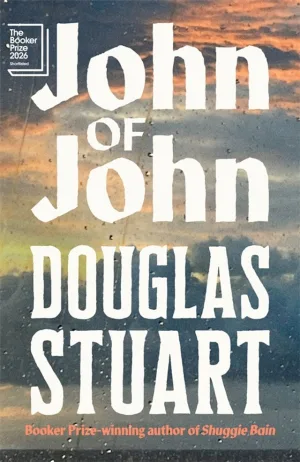
Find your copy →John of John is Douglas Stuart’s third novel, about a son who comes home to his father in the Outer Hebrides in the 1990s. Stuart won in 2020 with his first, Shuggie Bain. The cheapest copy is £9.98 and the cheapest first edition £20.00, the most sober pair of numbers on the list.
This is the debut story run backwards. Nobody prints a past winner’s next novel cautiously, and when first editions are plentiful, a first edition is mostly just a book. Signed copies start at £19.98, which suggests a man who has spent a good part of the past six years with a pen in his hand.
Prices on
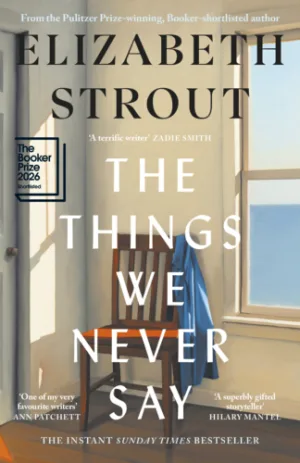
Find your copy →The Things We Never Say is Elizabeth Strout’s 11th novel. It leaves Olive Kitteridge and Lucy Barton behind for a history teacher on the Massachusetts coast who is keeping a secret. Strout won the 2009 Pulitzer Prize for Olive Kitteridge and was shortlisted for the Booker in 2022. She sells well on both sides of the Atlantic, and her prices look like those of a market that has met her before and expects to meet her again.
It’s also the only book on the list whose title describes what dealers do in the week before a prize.
Prices on
Find your copy →Authors sign a great many books: at festivals, in bookshops, and in tall stacks at the publisher’s office while someone slides the next one across. A signature makes a copy more desirable. Desirable and rare are different things, though, and signed copies from £18.98 for Kennard and £19.98 for Stuart suggest the market can tell them apart.
Some of this we know. Last year’s winner, David Szalay’s Flesh, sold more than 7,900 hardbacks in the UK in the week after the announcement, up 1,441% on the week before, according to the Booker Prize Foundation.
What we don’t know is what a win does to the price of a copy, and here economics makes a clean prediction, which doesn’t happen often. Ordinary copies of the winner are something the publisher can make more of, and will, within days, with the sticker on the front in case anyone missed the news. The first printing is something nobody can make more of. When demand jumps for a thing whose supply is fixed, the price is the only part left to move.
From 9 November I’ll watch the winner against the other five, with Near Fine’s numbers and my own prejudices, and report back here on whether the prediction holds.
For the record, I’d back the debut, mostly because somebody already has. By Tuesday morning the first editions of one of these books will have become an investment. The other five will be novels again, and for anyone who simply wants to read them, they’ll be the bargains.
Near Fine searched every bookseller it covers in 12 countries: the United Kingdom, the United States, Canada, Australia, India, Singapore and six that pay in euros (Ireland, Germany, the Netherlands, France, Spain and Italy). Everywhere, it priced each book’s UK and US editions, and left out local editions, ebooks, audiobooks and any listing it judged to be a different book. Prices include shipping where the shop lists it, and they’re asking prices: what sellers want, not what buyers paid. The prices in the text are the UK’s, from 3 November.
Each card shows the cheapest copy, new or used, in the UK, the US and Europe, where Europe is the cheapest across the six euro countries, in euros. Under those come Canada, Australia, India and Singapore, how many copies were listed, each counted once however many countries list it, and the cheapest signed and first-edition copies in the UK. ‘Find your copy’ shows the prices for your own country, in your currency and with shipping to you.
From the Ledger, numbered posts on what moves the price of a book. Follow it on X or by RSS.